Serengeti National Park: The Ultimate Safari Destination with Uzima Safaris
Serengeti National Park, an iconic African wilderness and a UNESCO World Heritage Site, is one of the most famous safari destinations in the world. Spanning over 14,750 square kilometers (5,700 square miles) in northern Tanzania, the Serengeti is renowned for its stunning landscapes, rich biodiversity, and the awe-inspiring annual migration of wildebeests and zebras. For travelers seeking an authentic safari experience, Uzima Safaris offers tailored itineraries that provide access to this magnificent park, ensuring unforgettable encounters with wildlife in their natural habitats.
Weather and Climate
Understanding the weather and climate of the Serengeti is essential for planning your safari. The park experiences distinct wet and dry seasons, each offering unique opportunities for wildlife viewing and exploration.
- Dry Season (June to October): The dry season is the best time to visit the Serengeti. During this period, the weather is characterized by clear skies and warm temperatures, with daytime averages ranging from 25°C to 30°C (77°F to 86°F). Nights can be cooler, particularly in the higher elevations of the park, where temperatures may drop to around 10°C (50°F). With little to no rainfall, animals tend to congregate around water sources, making them easier to spot. The grasslands are less dense, providing excellent visibility for game drives.
- Wet Season (November to May): The wet season is divided into two phases: the short rains (November to December) and the long rains (March to May). The short rains bring occasional showers, while the long rains result in more consistent rainfall, transforming the landscape into a lush paradise. Daytime temperatures remain warm, averaging between 20°C and 30°C (68°F to 86°F). While wildlife may be more dispersed during the wet season, the vibrant greenery creates a stunning backdrop for photography. Additionally, this season is an excellent time for birdwatching, as migratory species flock to the region.
Visitors should be prepared for varying weather conditions by packing appropriately. Lightweight, breathable clothing is ideal for the daytime heat, while warmer layers are recommended for cooler evenings and mornings. A waterproof jacket is also advisable during the wet season.
Best Time to Visit
The best time to visit Serengeti National Park largely depends on what visitors hope to experience during their safari. Here's a breakdown of what each season has to offer:
- June to October (Dry Season): This is the peak season for wildlife viewing in the Serengeti. As the dry season progresses, the wildebeest migration reaches the northern regions of the park, making it a prime time for visitors to witness the famous Great Migration. Herds of wildebeests, zebras, and gazelles traverse the plains, creating a spectacular sight. Predators, such as lions, leopards, and cheetahs, are also highly active during this time, making for thrilling game drives. The clear skies and pleasant temperatures enhance the overall safari experience.
- November to February (Short Rains to Early Wet Season): This transitional period sees the return of lush greenery to the Serengeti. While wildlife may be more dispersed due to the abundance of water sources, the park is still rich with activity. Migratory birds return, and calving season occurs from late January to February, attracting predators looking to capitalize on vulnerable newborns. The short rains also result in fewer tourists, providing a more intimate safari experience.
- March to May (Long Rains): The long rains bring dramatic changes to the Serengeti landscape. While the rains can make some areas muddy and challenging to navigate, the scenery transforms into a vibrant oasis of flowers and greenery. Wildlife is more challenging to spot as animals spread out across the plains, but this season is excellent for photographers seeking dramatic landscapes and fewer crowds. Birdwatchers will also appreciate the variety of migratory birds that flock to the region during this time.
Uzima Safaris offers flexible itineraries that allow travelers to experience the Serengeti in all its glory, regardless of the season. Expert guides ensure that visitors have the best chances for wildlife sightings and memorable encounters.
Wildlife and Animals
Serengeti National Park is renowned for its incredible wildlife diversity, home to over 70 species of mammals and more than 500 bird species. The park’s varied habitats—grasslands, savannas, woodlands, and riverine forests—provide suitable environments for a wide range of animals. Here’s a closer look at some of the wildlife that can be found in this magnificent park:
- The Great Migration: One of the most spectacular wildlife events on Earth, the Great Migration involves the movement of approximately 1.5 million wildebeests, along with hundreds of thousands of zebras and gazelles, in search of greener pastures and water. This migration typically follows a cyclical pattern, beginning in the Serengeti and migrating to the Maasai Mara in Kenya before returning. Visitors to the Serengeti from June to October can witness dramatic river crossings as the herds navigate treacherous waters, providing unforgettable safari moments.
- Big Cats: The Serengeti is home to a large population of big cats, including lions, leopards, and cheetahs. The park’s open plains and woodlands provide excellent hunting grounds for these predators. Lion prides can often be spotted resting in the shade during the day or hunting in the early morning and late afternoon. Leopards are more elusive but can be found lounging in trees, while cheetahs are often seen sprinting across the plains in pursuit of prey.
- Elephants and Giraffes: The Serengeti hosts substantial populations of elephants and giraffes, two of the most iconic African animals. Elephants can often be seen in family groups, foraging for food and drinking from waterholes. Giraffes, with their long necks and distinctive patches, grace the savanna and are often spotted nibbling on the leaves of acacia trees.
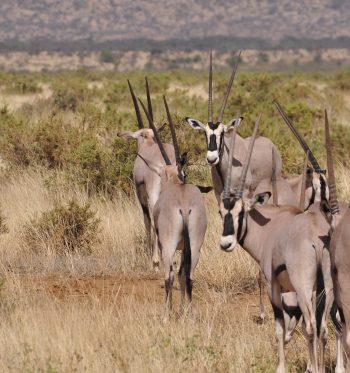
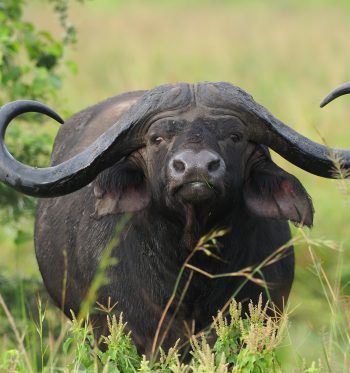
- Herbivores: In addition to wildebeests and zebras, the Serengeti is home to a variety of herbivores, including Thomson’s gazelles, Grant’s gazelles, impalas, and buffalo. These animals form the backbone of the ecosystem, providing sustenance for the park's predators. Herds of wildebeests and zebras, in particular, create a remarkable spectacle, especially during migration season.
- Birdlife: The Serengeti is a birdwatcher’s paradise, boasting over 500 bird species. From the striking African fish eagle to the colorful lilac-breasted roller, the avian diversity is astonishing. The park is also home to large flocks of migratory birds that arrive during the wet season, offering fantastic opportunities for birdwatching throughout the year.
- Other Wildlife: Visitors can expect to encounter various other species, including hippos, crocodiles, warthogs, and a range of reptiles. The park’s varied habitats contribute to its rich biodiversity, making each safari drive a new and exciting experience.
With Uzima Safaris, visitors can enjoy expertly guided game drives that maximize wildlife sightings and provide insights into the behaviors and habitats of the animals encountered.
Getting There
Reaching Serengeti National Park is relatively straightforward, with several options available for travelers. Here’s how to get to this breathtaking destination:
- By Air: The quickest way to reach the Serengeti is by flying into one of the park's airstrips. Seronera Airstrip is the most common entry point for visitors traveling from Arusha or Kilimanjaro International Airport (JRO). Several domestic airlines operate daily flights to and from the Serengeti, allowing travelers to bypass lengthy road journeys. Upon arrival, Uzima Safaris can arrange transportation to your lodge or campsite.
- By Road: For those seeking a more immersive experience, traveling by road is an excellent option. The drive from Arusha to the Serengeti typically takes about 8 to 10 hours, covering approximately 300 kilometers (186 miles). The journey offers beautiful views of the Tanzanian landscape, including rural villages and rolling hills. Uzima Safaris provides comfortable 4x4 vehicles equipped for safari travel, ensuring a smooth ride to the park.
- Transportation within the Serengeti: Once inside the Serengeti, guided game drives are the primary means of exploring the park. Uzima Safaris employs experienced guides who are knowledgeable about the park's ecosystems, ensuring that visitors have an enriching experience while maximizing wildlife viewing opportunities. Private vehicles allow for flexibility in game viewing, and the knowledgeable guides provide insights into the park's unique geology, flora, and fauna.
Highlights and Activities
Serengeti National Park offers a wealth of activities that allow visitors to immerse themselves in its stunning landscapes and vibrant wildlife. Here are some highlights and activities that Uzima Safaris can arrange for travelers:
- Game Drives: The primary activity in Serengeti National Park is game driving. Early morning and late afternoon drives provide optimal conditions for spotting wildlife. Visitors can witness the grandeur of the park, where herds of wildebeests, prides of lions, and flocks of birds coexist in this breathtaking environment.
- Hot Air Balloon Safaris: For a truly unforgettable experience, hot air balloon safaris offer a unique perspective of the Serengeti. Floating high above the plains, visitors can enjoy breathtaking views of the wildlife and landscapes below. The adventure often concludes with a celebratory breakfast in the bush, creating memories that will last a lifetime.
- Cultural Visits: The Serengeti region is home to the Maasai people, known for their rich cultural heritage and vibrant traditions. Uzima Safaris can arrange cultural visits, providing an opportunity for travelers to engage with local communities, learn about their way of life, and participate in traditional dances and ceremonies.
- Walking Safaris: Guided walking safaris allow visitors to explore the Serengeti on foot, providing a different perspective on the ecosystem. Accompanied by knowledgeable guides, participants can learn about the smaller details of the wilderness, including tracks, plants, and the intricate relationships between species.
- Photography Tours: For photography enthusiasts, the Serengeti offers endless opportunities for capturing stunning wildlife and landscapes. Uzima Safaris can provide specialized photography tours tailored to help travelers capture the beauty of the park, whether it’s the dramatic sunrise over the plains or close-ups of animals in their natural habitats.
- Birdwatching: With its diverse birdlife, the Serengeti is a haven for birdwatchers. Visitors can embark on birdwatching excursions to observe both resident and migratory species, capturing stunning photographs and enjoying the sounds of nature.
Serengeti National Park is a must-visit destination for anyone seeking an authentic safari experience. With its unparalleled wildlife diversity, breathtaking landscapes, and the iconic Great Migration, the Serengeti embodies the essence of African wilderness. Uzima Safaris is dedicated to providing travelers with personalized itineraries, expert guides, and unforgettable adventures that highlight the park's beauty and wildlife. Whether you are witnessing the dramatic river crossings during migration, encountering majestic lions in their natural habitat, or exploring the park's stunning landscapes, a safari in the Serengeti promises to create lasting memories and a deeper appreciation for the natural world. Embrace the thrill of adventure and the magic of the Serengeti with Uzima Safaris, and embark on a journey that will leave you with stories to share for a lifetime.