Nestled in the far northeastern region of Uganda, Kidepo Valley National Park offers an extraordinary safari experience distinct from any other in the country. Known for its remote, rugged landscapes and rare wildlife species, this park is a hidden gem for safari enthusiasts seeking an off-the-beaten-path experience. Uzima Safaris proudly offers curated adventures into Kidepo Valley National Park, allowing travelers to immerse themselves in a wilderness setting that remains relatively untouched. In this guide, we’ll delve into all aspects of what makes Kidepo Valley National Park a unique and captivating safari destination with Uzima Safaris, covering the climate, best times to visit, wildlife highlights, travel logistics, and essential safety information.
Weather & Climate – Kidepo Valley National Park
Kidepo Valley National Park is located in a semi-arid region characterized by a tropical savanna climate. This park experiences distinct wet and dry seasons, each influencing the landscape and animal behavior in its own way.
- Dry Season (December to February): The dry season is typically from December to February. During this time, temperatures can soar, especially during the day, reaching up to 34°C (93°F). However, the nights are often cooler, offering a comfortable relief from the day’s heat. Vegetation thins out, making it easier to spot wildlife congregating around remaining water sources. The park’s semi-arid environment also gives rise to dramatic sunsets and crystal-clear starry skies, adding a mystical touch to evening safaris.
- Wet Season (March to November): The rainy season in Kidepo Valley National Park extends from March to November, but it’s divided into two peaks. The long rains typically occur from March to May, and the short rains follow from August to November. During this period, temperatures are generally lower, averaging between 20-28°C (68-82°F), making it cooler than the dry season. The landscape transforms as the rains bring lush vegetation and vibrant blooms to the savanna. However, some roads may become challenging to navigate, especially those off the main routes.
Best Time to Visit – Kidepo Valley National Park
Choosing the right time to visit Kidepo Valley National Park depends on what travelers want to experience. Here’s a breakdown of how each season offers something unique.
- The Peak Season (Dry Season: December to February): The dry season is widely regarded as the best time for wildlife viewing in Kidepo. With limited water sources, animals gather around waterholes, increasing the likelihood of witnessing a variety of species in close proximity. The thinner vegetation also makes spotting wildlife easier, allowing for excellent photographic opportunities. The dry season’s clear skies and warm weather are ideal for exploring the park’s vast savanna landscapes and engaging in outdoor activities like game drives and guided nature walks. However, since this is the peak tourist season, visitors should book their safaris with Uzima Safaris in advance.
- Green Season (Wet Season: March to November): The wet season brings out the park’s lush side, transforming the dusty savanna into a carpet of greenery. Although wildlife viewing can be more challenging due to dense vegetation, this season offers a chance to see the park at its most vibrant. Birdwatchers, in particular, find this season ideal as migratory birds arrive in Kidepo, adding to the park’s already diverse avian population. Another benefit of visiting during the wet season is the lower visitor numbers, which allow for a more exclusive and peaceful safari experience.
Wildlife & Animals – Kidepo Valley National Park
Kidepo Valley National Park is renowned for its rich and unique wildlife. The park’s remote location has enabled it to preserve species that are rare or nonexistent in other parts of Uganda, making it an ideal destination for safari enthusiasts seeking a diverse range of animals.
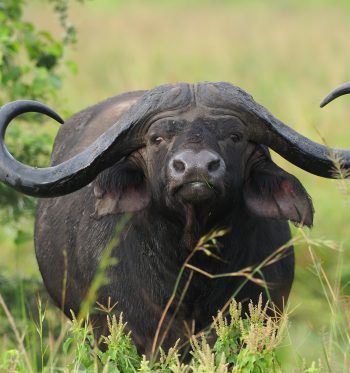
- Mammals: The park is home to over 77 mammal species, including several unique to this region of Uganda. Kidepo is one of the few places in the country where you can encounter cheetahs, caracals, and aardwolves. Additionally, visitors can spot lions, leopards, elephants, and buffaloes, along with other iconic African wildlife. The dry season is particularly favorable for sighting large herds of buffalo, often numbering in the hundreds, grazing in the Narus Valley.
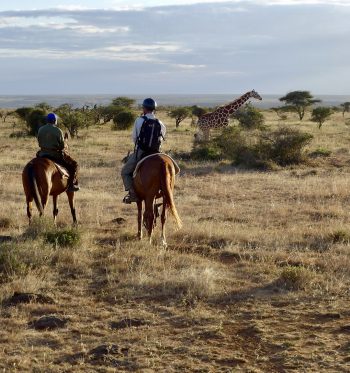
- Rare Species: Kidepo is the only park in Uganda with wild ostriches, a striking species commonly found in Kenya and Tanzania but rare in Uganda. Other rare species include the Rothschild’s giraffe, black-backed jackals, and hyenas. These animals thrive in Kidepo’s semi-arid climate, adding a unique appeal for those looking to encounter something different on their safari.
- Birds: Birdlife in Kidepo is also exceptional, with over 475 bird species recorded, making it a paradise for birdwatchers. Notable species include the Abyssinian ground hornbill, Kori bustard, and Karamoja apalis. The wet season draws in migratory birds, enhancing the park’s avian diversity.
Getting There – Kidepo Valley National Park
Reaching Kidepo Valley National Park can be an adventure in itself due to its remote location. Uzima Safaris offers well-coordinated travel options to ensure a comfortable journey for all travelers.
- By Road: Kidepo Valley National Park is accessible by road, though the journey can take about 10-12 hours from Kampala, Uganda’s capital. The scenic route provides opportunities to see rural Uganda and offers an immersive travel experience for those who enjoy road trips. Road travel is best suited for adventurous travelers willing to experience Uganda’s countryside. For added convenience, Uzima Safaris arranges 4x4 vehicles equipped to handle the rugged terrain, ensuring a safe and comfortable ride.
- By Air: For travelers preferring a faster and more comfortable option, domestic flights are available from Entebbe International Airport to Apoka Airstrip, located within the park. The flight takes approximately 2 hours and offers stunning aerial views of Uganda’s landscapes. Uzima Safaris coordinates flights with leading domestic airlines, providing a hassle-free transfer service from the airstrip to lodges or camps within the park.
Malaria & Safety – Kidepo Valley National Park
Malaria prevention and general safety precautions are essential for a safe and enjoyable safari experience in Kidepo Valley National Park.
- Malaria Precautions: Kidepo Valley National Park is located in a malaria-prone area, making preventive measures necessary. Uzima Safaris recommends that travelers consult their healthcare provider before visiting for guidance on the appropriate antimalarial medication. In addition to medication, travelers should take precautions such as using insect repellent, sleeping under mosquito nets (which are provided in all accommodation options with Uzima Safaris), and wearing long sleeves in the evening when mosquitoes are most active.
- General Safety: Kidepo is generally a safe destination for travelers, but certain precautions can enhance safety. With Uzima Safaris, all safari activities are conducted with trained guides who prioritize traveler safety. Whether on game drives or guided nature walks, Uzima Safaris ensures that all activities adhere to park regulations and respect wildlife. Additionally, travelers are advised to stay within designated areas in the park, especially around large animals. It is also recommended to avoid nighttime travel, as wildlife may be more challenging to spot in the dark.
Additional Highlights of Kidepo Valley National Park with Uzima Safaris
- Cultural Experiences: Kidepo’s location in the Karamoja region presents a unique opportunity for cultural immersion. Uzima Safaris offers excursions to nearby Karamojong and Ik communities, allowing visitors to learn about the traditional lifestyle, dances, and crafts of these indigenous groups. This adds a cultural dimension to the safari experience, enriching travelers’ understanding of Uganda’s diverse heritage.
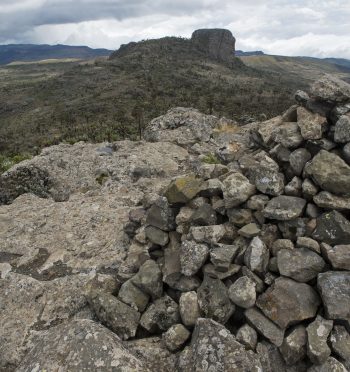
- Scenic Landscapes: Beyond its wildlife, Kidepo Valley National Park is known for its awe-inspiring landscapes, including the Narus and Kidepo Valleys. Uzima Safaris organizes guided hikes and scenic drives to capture panoramic views of the park’s rugged terrain, dotted with kopjes (rocky outcrops) and acacia trees. The Morungole Mountains, standing as a backdrop to the park, provide excellent hiking opportunities for those interested in exploring the park’s varied topography.
- Exclusive Safari Lodges and Camps: Uzima Safaris partners with some of the finest safari lodges and camps in Kidepo Valley, ensuring comfortable and memorable accommodations. Options range from luxury lodges with modern amenities to rustic, eco-friendly camps that immerse guests in the natural environment. Each accommodation provides breathtaking views, and all are designed to blend seamlessly with the landscape, enhancing the sense of being in the wilderness.
- Night Game Drives: For an extra thrill, Uzima Safaris offers night game drives within the park. This experience provides a chance to observe nocturnal wildlife and witness different animal behaviors that occur after sundown. Equipped with special lighting, Uzima Safaris’ night drives ensure travelers can safely observe creatures like hyenas, leopards, and owls as they come to life under the cover of darkness.
Kidepo Valley National Park is an incredible safari destination that combines breathtaking scenery, abundant wildlife, and cultural richness. Its remote location has preserved its pristine wilderness, offering an authentic and unspoiled African safari experience. With Uzima Safaris, travelers can embark on a well-organized adventure that covers every detail, from getting there to staying safe and experiencing the unique attractions of the park.
Whether you’re a wildlife enthusiast, a culture lover, or an adventurer, Kidepo Valley National Park has something special to offer. By choosing Uzima Safaris, you’re not only opting for a remarkable safari experience but also supporting sustainable tourism that respects and conserves this beautiful ecosystem.