
Uganda
The Pearl of Africa
Uganda, often referred to as the Pearl of Africa, is an extraordinary safari destination known for its stunning landscapes, diverse wildlife, and rich cultural heritage. From the misty mountains of Bwindi to the savannahs of Queen Elizabeth National Park, Uganda offers an unforgettable safari experience that combines adventure, discovery, and deep connection with nature. Uzima Safaris proudly offers tailored safaris that allow travelers to immerse themselves in Uganda’s untamed wilderness.
Top Uganda Safari Destinations
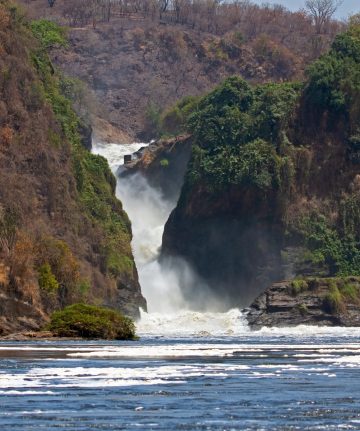
Murchison Falls National Park
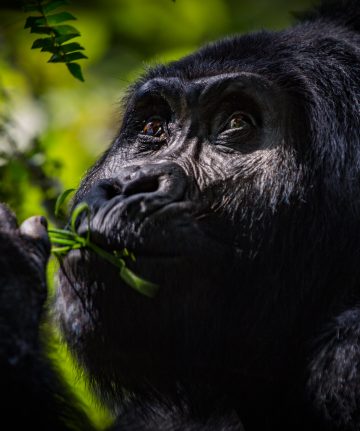
Bwindi Impenetrable Forest National Park
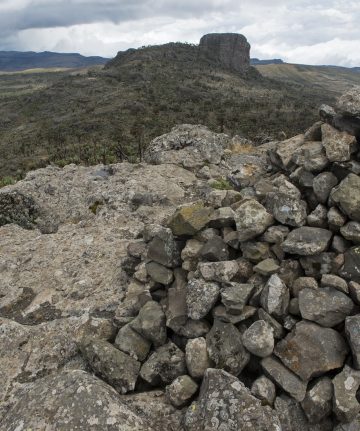
Mount Elgon National Park
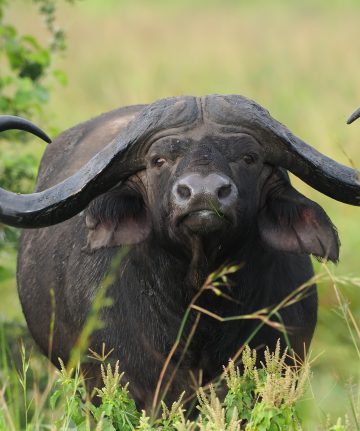
Kidepo Valley National Park
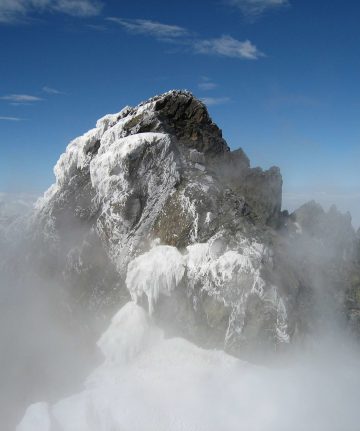
Rwenzori Mountains National Park
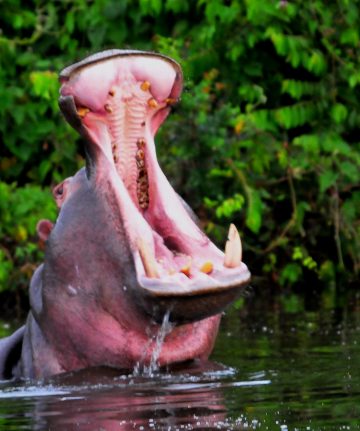
Lake Mburo National Park
Weather & Climate in Uganda
Uganda enjoys a tropical climate with generally moderate temperatures due to its high altitude. The average temperature ranges from 16 to 26°C (60 to 79°F), although temperatures can reach up to 30°C (86°F) in certain lowland areas. Uganda has two main rainy seasons: the long rains from March to May and the shorter rains from October to November. While rain is common during these periods, it often occurs in short bursts, followed by sunny spells, making most outdoor activities feasible year-round.
The dry seasons, from December to February and June to September, are generally considered the best times for wildlife viewing. During these months, animals congregate around water sources, making them easier to spot. The wet seasons are great for birdwatching, as migratory birds are often present, and the landscapes are lush and vibrant.
Best time to visit Uganda
The best time to visit Uganda largely depends on the activities you wish to pursue. However, many safari-goers favor the dry seasons:
- December to February and June to September are the peak months for most safari activities, including gorilla trekking, chimpanzee tracking, and wildlife safaris. These months are marked by mild temperatures, lower humidity, and fewer chances of rain, making it easier to spot wildlife.
- March to May and October to November are considered the low seasons due to increased rainfall. However, these months are ideal for birdwatching, as the rain brings a variety of migratory birds to the region. Some parks also offer discounted permits for gorilla trekking during the rainy season.
For gorilla trekking in particular, permits are limited and should be booked well in advance, regardless of the season. Uzima Safaris can assist with securing permits and planning your trip based on your interests and preferred travel dates.
Wildlife & Animals in Uganda
Uganda’s wildlife is remarkably diverse, with an abundance of species found in its parks and reserves. This includes the famed “Big Five” (lions, leopards, elephants, buffalos, and rhinos) along with numerous other animals.
Primates
Uganda is perhaps best known for its primates, particularly mountain gorillas and chimpanzees. Bwindi Impenetrable National Park and Mgahinga Gorilla National Park are the primary gorilla trekking locations, offering a rare and intimate experience with these magnificent animals. Kibale National Park is renowned for its chimpanzees, while other parks house golden monkeys, colobus monkeys, and olive baboons.
Large Mammals
In parks like Queen Elizabeth, Murchison Falls, and Kidepo Valley, visitors can witness a variety of large mammals, including elephants, buffalos, hippos, and giraffes. The Ishasha sector of Queen Elizabeth National Park is famous for its tree-climbing lions, a behavior observed in only a few places around the world.
Birds
Uganda is a paradise for birdwatchers, with over 1,000 recorded bird species, including the rare shoebill stork, African green broadbill, and African fish eagle. With wetlands, forests, and savannas offering varied bird habitats, Uganda is recognized as one of Africa’s premier birdwatching destinations.
Unique Species
Uganda's diverse landscapes also support unique species like the Rothschild giraffe, sitatunga antelope, and Ugandan kob, which is the country’s national antelope. In the Albertine Rift, found in the western part of the country, visitors may encounter rare species that are endemic to this unique region.
Getting to Uganda
Most international travelers fly into Entebbe International Airport, located near Kampala, Uganda’s capital. Several international airlines, including Turkish Airlines, Qatar Airways, and Ethiopian Airlines, offer regular flights to Entebbe. From the airport, visitors can reach Uganda’s various safari destinations via domestic flights or by road transfers.
Uganda’s road network is well-developed, though some rural areas and parks require 4x4 vehicles, especially during the rainy season. For a more seamless travel experience, Uzima Safaris offers private transfers and chartered flights, ensuring a comfortable journey from Entebbe to Uganda’s national parks.
Malaria & Safety in Uganda
Malaria Prevention
Malaria is present in Uganda, so travelers are advised to take preventive measures. Speak with your healthcare provider about antimalarial medications before your trip, and take precautions to prevent mosquito bites, such as using insect repellent, sleeping under mosquito nets, and wearing long-sleeved clothing, especially during the evening.
Safety and Security
Uganda is generally safe for tourists, with the tourism industry receiving strong support from the government. Local communities around the parks are welcoming and recognize the benefits of tourism, which has fostered a positive and secure environment for visitors. Uzima Safaris prioritizes the safety of its guests, providing knowledgeable guides who are familiar with the terrain and local communities.
While petty crime can occur, as in any destination, simple precautions—like safeguarding valuables and being mindful of your surroundings—will go a long way in ensuring a safe and enjoyable safari experience.