Ngorongoro Crater: A Natural Wonder and Safari Paradise with Uzima Safaris
The Ngorongoro Crater, a UNESCO World Heritage Site and one of the Seven Natural Wonders of Africa, is a breathtaking destination that captivates visitors with its stunning landscapes and rich biodiversity. Formed by a collapsed volcanic caldera, this immense crater is home to a remarkable variety of wildlife, making it one of Tanzania’s premier safari locations. Visitors to Ngorongoro can witness the incredible spectacle of nature, where animals roam freely in their natural habitat. Uzima Safaris offers expertly crafted itineraries to explore the Ngorongoro Crater, providing travelers with unforgettable experiences amidst this geological marvel.
Weather and Climate
The weather in Ngorongoro Crater is influenced by its elevation and unique geographical features. At an altitude of approximately 2,286 meters (7,474 feet), the climate differs significantly from the surrounding lowlands. Understanding the climate is essential for planning your visit, as it can affect wildlife sightings and overall comfort during your safari.
- Dry Season (June to October): The dry season is the best time to visit Ngorongoro Crater for wildlife viewing. During this period, the weather is characterized by clear skies and warm temperatures during the day, with averages ranging from 20°C to 25°C (68°F to 77°F). Nights can be quite cool, dropping to around 5°C (41°F). With limited rainfall, animals congregate around water sources, making them easier to spot. The vegetation is less dense, enhancing visibility and providing excellent opportunities for photography.
- Wet Season (November to May): The wet season in Ngorongoro is divided into two main parts: the short rains (November to December) and the long rains (March to May). During this time, the crater’s landscape transforms into a lush green paradise, with abundant flowers and grasses. While the daytime temperatures remain warm, averaging around 25°C to 30°C (77°F to 86°F), the area experiences increased humidity and rainfall. Rain showers are common, often occurring in the late afternoon or evening. Although wildlife is more dispersed during the wet season, it’s an excellent time for birdwatching, as migratory birds flock to the area.
Visitors should pack accordingly, layering their clothing to accommodate the temperature variations throughout the day and night, and ensuring they are prepared for both sunny and rainy conditions.
Best Time to Visit
Choosing the best time to visit Ngorongoro Crater depends on your wildlife viewing goals and personal preferences. Here’s a breakdown of what each season offers:
- June to October (Dry Season): This is the peak season for safari enthusiasts, as wildlife viewing is at its best during the dry months. The visibility is excellent, with animals congregating around water sources and the lush grasslands providing ideal habitats for predators and prey alike. Early mornings and late afternoons are the best times for game drives, allowing visitors to witness lions on the hunt and herds of wildebeests and zebras grazing.
- November to February (Short Rains to Early Wet Season): This transitional period brings lush greenery back to the crater, creating a stunning contrast against the blue skies. While wildlife may be more dispersed during this time, the landscape offers a beautiful backdrop for photography. Migratory birds return to the area, making it a great time for birdwatchers. The short rains also result in fewer tourists, allowing for a more tranquil experience.
- March to May (Long Rains): The long rains can make some roads muddy and challenging to navigate, but this season transforms the crater into a vibrant oasis. The scenery is breathtaking, with wildflowers blooming and animals taking advantage of the abundant food sources. Though the wildlife may be less concentrated, visitors can enjoy fewer crowds and an intimate experience with nature. Rainfall typically occurs in short bursts, allowing for periods of clear skies ideal for wildlife watching.
Uzima Safaris is adept at tailoring itineraries to suit the unique experiences available throughout the year, ensuring that travelers can enjoy Ngorongoro Crater at its best.
Wildlife and Animals
The Ngorongoro Crater is renowned for its rich biodiversity, boasting one of the highest concentrations of wildlife in Africa. The crater floor covers about 260 square kilometers (100 square miles) and is home to a variety of ecosystems, including grasslands, forests, and wetlands. Here’s a look at the incredible wildlife that can be found in this remarkable area:
- Big Five: Ngorongoro Crater is one of the few places where visitors can spot all members of the Big Five—lion, leopard, elephant, buffalo, and rhinoceros—within a single day. The crater is especially known for its black rhinoceros population, which is critically endangered. The chances of encountering these majestic creatures are high, making Ngorongoro a prime destination for wildlife enthusiasts.
- Elephants: The crater is home to a significant population of elephants, which can often be seen roaming the grasslands and woodlands. These gentle giants are a highlight for many visitors, and their presence adds to the stunning scenery of the crater.
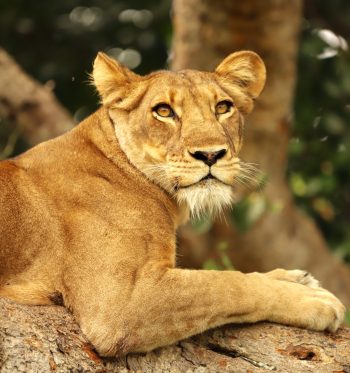
- Predators: Ngorongoro is a haven for various predators, including lions, hyenas, and cheetahs. The resident lion prides are particularly famous, with many opportunities for visitors to witness these magnificent animals in their natural habitat. The competition for territory and resources among predators makes for exciting wildlife encounters.
- Herds of Herbivores: The crater is teeming with herbivores, including wildebeests, zebras, and various antelope species, such as Thompson's gazelle and Grant's gazelle. Large herds of wildebeests and zebras can often be seen grazing together, creating a picturesque scene reminiscent of classic African savannas.
- Birdlife: Ngorongoro Crater is a birdwatcher’s paradise, with over 500 recorded bird species. From the majestic secretary bird to the vibrant violet-backed starling, the diversity of birdlife is astounding. The crater’s wetlands attract waterfowl, including flamingos and pelicans, making it a prime location for birdwatching throughout the year.
- Other Wildlife: In addition to the iconic species mentioned above, visitors can expect to see a variety of other animals, including warthogs, hippos, and a range of reptiles. The crater's diverse habitats provide a home for an extensive array of wildlife, creating a truly dynamic ecosystem.
With the expertise of Uzima Safaris, visitors can embark on guided game drives that maximize wildlife viewing opportunities while providing insights into animal behavior and conservation efforts.
Getting There
Reaching Ngorongoro Crater is relatively straightforward, making it an accessible destination for safari travelers. Here’s how to get to this remarkable location:
- By Air: The closest major airport to Ngorongoro Crater is Kilimanjaro International Airport (JRO), located approximately 180 kilometers (112 miles) away. International flights from various global destinations arrive at Kilimanjaro, making it a convenient entry point for travelers heading to Tanzania. From the airport, Uzima Safaris can arrange transfers to the crater.
- By Road: The drive from Arusha to Ngorongoro Crater typically takes around 3 to 4 hours, covering approximately 200 kilometers (124 miles). The journey offers stunning views of the Tanzanian landscape, including coffee plantations and rural villages. Uzima Safaris provides comfortable 4x4 vehicles equipped for safari travel, ensuring a smooth ride to the crater.
- Transportation within the Crater: Once inside Ngorongoro Crater, guided game drives are the primary means of exploring this vast expanse of wildlife-rich terrain. Uzima Safaris employs experienced guides who are well-versed in the park's ecosystems, ensuring that visitors have an enriching experience while maximizing wildlife viewing opportunities. Private vehicles allow for flexibility in game viewing, and the knowledgeable guides provide insights into the park's unique geology, flora, and fauna.
Highlights and Activities
Ngorongoro Crater offers a variety of activities that enable visitors to immerse themselves in its stunning landscapes and vibrant wildlife. Here are some highlights and activities that Uzima Safaris can arrange for travelers:
- Game Drives: The primary activity in Ngorongoro Crater is game driving. Early morning and late afternoon drives provide optimal conditions for spotting wildlife. Visitors can witness the grandeur of the crater, where herds of elephants, prides of lions, and flocks of birds coexist in this breathtaking environment.
- Crater Rim Walks: For those seeking a unique perspective, guided walks along the crater rim can be arranged. These treks allow visitors to explore the unique flora and fauna of the higher elevations while taking in panoramic views of the crater below. Expert guides provide insights into the geological history and the rich ecosystems surrounding the area.
- Cultural Visits: The Ngorongoro Conservation Area is home to the Maasai people, known for their rich cultural heritage and vibrant traditions. Uzima Safaris can arrange cultural visits, providing an opportunity for travelers to engage with local communities, learn about their way of life, and participate in traditional dances and ceremonies.
- Birdwatching Tours: With an impressive variety of bird species, Ngorongoro is a haven for birdwatchers. Uzima Safaris offers specialized birding tours, focusing on both resident and migratory birds. Observing the unique avian life in this spectacular setting is a rewarding experience for enthusiasts and casual birdwatchers alike.
- Photography Safaris: The striking landscapes and diverse wildlife make Ngorongoro an exceptional destination for photography. Uzima Safaris can tailor itineraries for photographers, ensuring they have access to the best spots for capturing the stunning beauty of the crater and its inhabitants.
- Visit Lake Magadi: Located at the bottom of the crater, Lake Magadi is a soda lake that attracts numerous birds, including flamingos and pelicans. A visit to the lake offers a chance to witness unique ecosystems and the interplay between water and wildlife.
Conservation Efforts
Preserving the delicate ecosystems of Ngorongoro Crater is crucial for maintaining its status as a world-renowned wildlife destination. Conservation efforts in the area focus on protecting both wildlife and the indigenous communities that depend on the land. Uzima Safaris is committed to promoting sustainable tourism practices that support conservation initiatives, ensuring that future generations can enjoy the beauty of Ngorongoro.
The Ngorongoro Conservation Area Authority (NCAA) plays a vital role in managing the area, implementing measures to protect wildlife and their habitats. Additionally, community-based conservation programs empower local Maasai communities, fostering coexistence between wildlife and people. This approach not only supports biodiversity but also enhances the cultural richness of the region.
Ngorongoro Crater is an awe-inspiring destination that encapsulates the beauty of Tanzania’s natural heritage. With its stunning landscapes, diverse wildlife, and rich cultural experiences, the crater offers an unforgettable safari adventure. Uzima Safaris is dedicated to providing travelers with expertly guided tours and personalized itineraries, ensuring that each visitor can fully appreciate the wonders of Ngorongoro. Whether you seek thrilling wildlife encounters, cultural interactions, or simply a chance to marvel at the breathtaking scenery, Ngorongoro Crater is a must-visit destination that promises to create lasting memories of your journey through East Africa. Embrace the magic of this extraordinary place with Uzima Safaris, and embark on a safari experience that captures the heart and soul of the African wilderness.